Enhancing Engagement Through Effective Sports Broadcasting Strategies
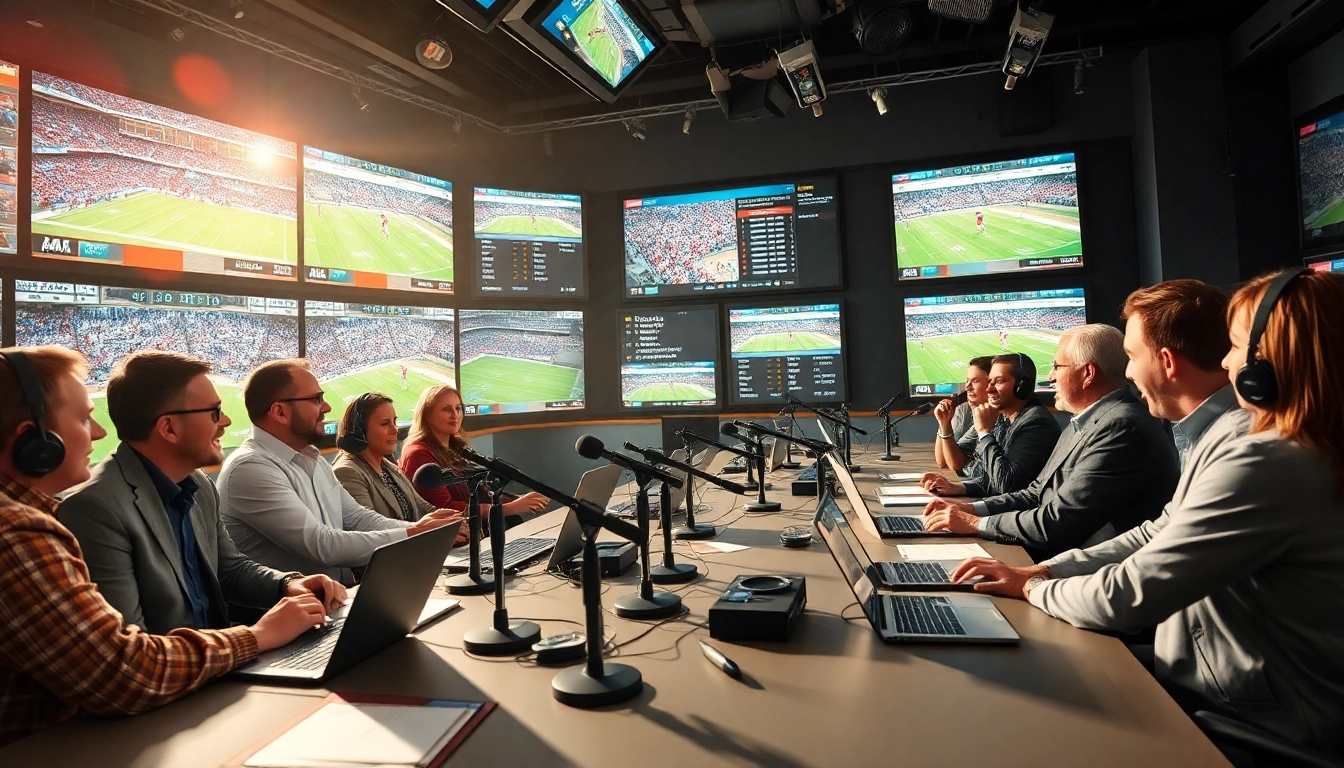
Understanding the Landscape of Sports Broadcasting
Defining Sports Broadcasting
Sports Broadcasting refers to the distribution of sports content via various media platforms, including television, radio, and online streaming services. It encompasses live games, pre-recorded shows, analysis, and sports commentary. The objective is to reach vast audiences, providing them with engaging and real-time sports experiences. As a vital channel for sports consumption, Sports Broadcasting plays a significant role in how fans engage with their favorite sports and athletes.
Historical Evolution and Trends
The journey of sports broadcasting began in the early 20th century with radio broadcasts of games. By the 1950s, television began to dominate, bringing sports into living rooms worldwide. The industry evolved with technology—cable networks emerged, increasing the number of available channels. In recent years, streaming services have transformed content consumption, allowing for on-demand viewing, live interactions, and worldwide accessibility. The ongoing trend is towards mobile technology, which offers sports fans the ability to watch matches from anywhere.
Key Players in the Industry
The sports broadcasting industry features key players comprising major networks, streaming services, and companies specializing in sports rights negotiations. Broadcasters like national sports networks, local affiliates, and digital platforms all play pivotal roles in this ecosystem. Partnerships between sports leagues and broadcasters are critical, as they determine how events are covered and distributed. Competition among these players drives innovation and improves the fan experience.
Types of Sports Broadcasting Formats
Live Coverage Versus Pre-Recorded Shows
Live coverage is the cornerstone of sports broadcasting, enabling real-time viewing of events. This format fosters a communal experience among fans, creating excitement and engagement. In contrast, pre-recorded shows allow for deeper analysis, interviews, and highlights, appealing to fans who seek in-depth sports insights. Both formats have unique advantages, and broadcasters often blend them for comprehensive programming strategies.
Digital Streaming Services and Their Impact
Digital streaming services have revolutionized sports broadcasting by offering fans greater control over how and when they consume content. These platforms eliminate traditional advertising models, favoring subscription-based options. With many sports leagues launching their own streaming services, the competition for audience attention is more intense. Such innovations encourage broadcasters to enhance viewer experiences with interactive features and personalized content.
Sports Podcasts: A Growing Trend
Sports podcasts have surged in popularity as fans seek alternative content beyond live games and shows. These audio formats allow listeners to engage with sports discussions, consider expert opinions, and analyze trends at their convenience. The flexibility of podcasts fosters a dedicated listener base, making them an essential component of modern sports broadcasting strategies.
The Role of Technology in Sports Broadcasting
Innovations in Broadcast Equipment
Technological advancements significantly enhance the quality of sports broadcasts. High-definition and 4K cameras offer unparalleled viewing experiences, while drones provide unique aerial perspectives of events. Graphics and overlays improve information delivery, providing fans with crucial stats in real time. Innovations like robotic cameras and augmented reality further enrich sports framing, bringing an engaging element to broadcasts.
Utilizing Data Analytics for Enhanced Commentary
Data analytics plays a pivotal role in sports broadcasting, transforming raw data into meaningful insights. Broadcasters utilize analytics to inform commentators, providing them with data-driven narratives. This use of data allows for richer storytelling and increasingly informed discussions during broadcasts, leading to a more engaging viewer experience. Emphasizing performance metrics enhances understanding and enjoyment for fans.
The Rise of VR and AR in Sport Events
Virtual Reality (VR) and Augmented Reality (AR) have started to make significant inroads into sports broadcasting. These technologies create immersive experiences, allowing fans to feel like they are part of the action. From VR experiences that simulate being in the stadium to AR overlays that provide additional information during games, these innovations cater to tech-savvy fans and offer new engagement possibilities.
Strategies for Audience Engagement in Sports Broadcasting
Connecting with Fans Through Social Media
Social media platforms have become critical tools for broadcasters to connect with audiences. Engaging fans through Twitter polls, behind-the-scenes content, and live chats during games fosters community and interaction. By creating a two-way communication channel, broadcasters build loyalty and attract new viewers, reflecting an essential strategy in modern sports broadcasting.
Interactive Play-By-Play and Viewer Involvement
Interactive play-by-play enhancements allow viewers to engage actively with broadcasts. Features like live voting on player moments and alternative camera angles empower fans to influence their viewing experience. This participatory format increases engagement and fosters a sense of ownership in the event, ultimately driving loyalty and viewership.
Tailoring Content to Diverse Audiences
The diverse nature of sports fandom necessitates content tailored to different audience segments. Broadcasters can enhance inclusion by differentiating their content offerings. By catering to casual viewers, die-hard fans, families, and niche sports enthusiasts, broadcasters can broaden their appeal and optimize engagement strategies that resonate with various demographics.
Measuring Success in Sports Broadcasting
Key Performance Indicators (KPIs) to Track
Measuring success in sports broadcasting involves tracking several KPIs, including viewership numbers, engagement rates, and social media interactions. Understanding these metrics helps broadcasters evaluate content effectiveness and determine which strategies resonate with audiences. Additionally, analyzing subscription growth patterns and viewer retention provides insight into user preferences.
Audience Feedback and Ratings Analysis
Audience feedback and ratings analysis are invaluable in improving sports broadcasting strategies. By actively seeking feedback through surveys or social media channels, broadcasters can assess fan satisfaction and preferred content styles. Monitoring ratings trends help identify which sports or formats receive the most attention, guiding future programming decisions.
Adapting Based on Performance Metrics
Performance metrics provide a framework for broadcasters to adapt their strategies continually. By responding to viewer preferences and evolving technologies, broadcasters can enhance future programming, improve audience experiences, and ultimately drive better results. Flexibility in content delivery and marketing strategies fosters resilience in an ever-changing landscape.
Frequently Asked Questions
What are the main types of sports broadcasting?
Sports broadcasting typically includes live coverage, pre-recorded shows, and emerging formats like podcasts and streaming services.
How has technology influenced sports broadcasting?
Technology has enhanced sports broadcasting through HD cameras, data analytics, and features like VR and AR, delivering richer experiences to viewers.
Why is audience engagement important?
Audience engagement is essential as it fosters loyalty, attracts new viewers, and creates community around sports content, enhancing the overall experience.
What KPIs should be tracked in sports broadcasting?
Key performance indicators include viewership numbers, audience engagement rates, and subscription growth to assess overall success.
How can content be tailored to diverse audiences?
Broadcasters can tailor content by differentiating offerings that cater to casual viewers, families, and niche sports fans to optimize engagement.